


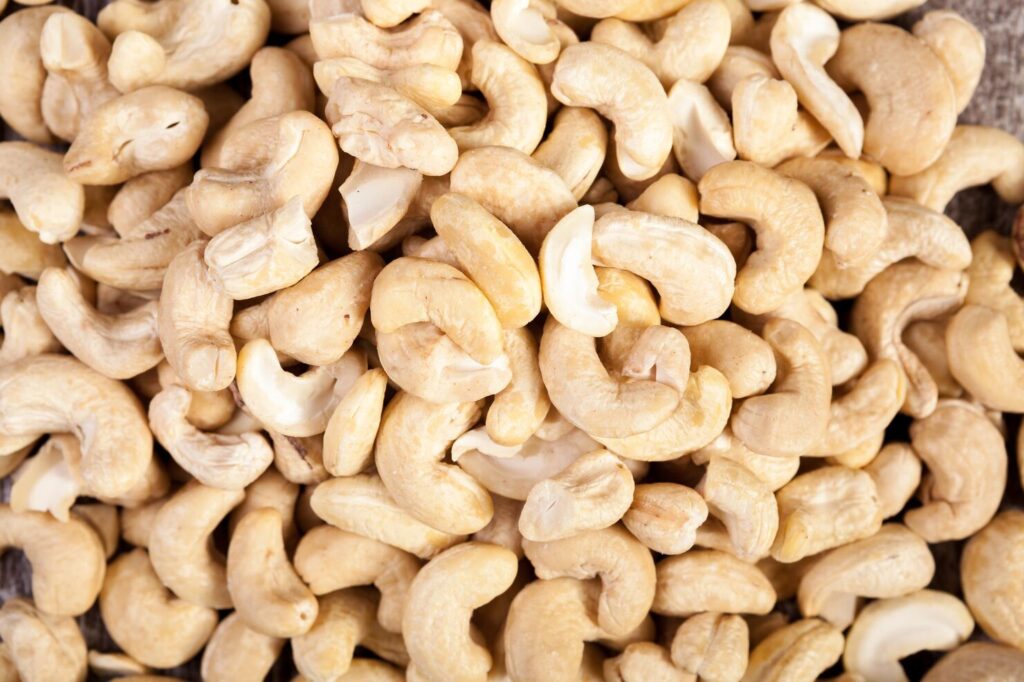
In the evolving landscape of Nigeria’s non-oil exports, cashew nuts have quietly emerged as one of the most promising agricultural commodities. With rising global demand driven by health-conscious consumers and food industries, cashew has become a “green gold” for entrepreneurs. Nigeria, ranked among the top producers globally, generates hundreds of millions of dollars annually from cashew exports, yet continues to export most of its produce in raw form—leaving enormous untapped value in processing.
Cashew processing is not just a farming activity; it is an industrial value chain that transforms raw nuts into export-grade kernels. The process is detailed, technical, and labour-intensive, which explains why processed cashew commands far higher value in international markets. Understanding this process is the first step for any investor seeking to enter the business.
1. Harvesting and Collection:
2. Drying:

3. Pre-treatment (Roasting/Steaming)

4. Shelling (De-shelling):
5. Drying and Humidification:
6. Peeling:
7. Grading:
8. Packaging:
Global Market and Leading Export Countries
Top players include:
Vietnam – the largest processor and exporter of cashew kernels
India – a major processor and consumer
Ivory Coast – largest producer of raw cashew nuts
Nigeria – among top 5 global producers Nigeria alone earned about $398 million from cashew exports in 2025, making it one of the country’s leading non-oil revenue sources.
Requirements to Start a Cashew Business
1. Business Registration: Register with CAC and obtain an export license from NEPC.
2. Supply Chain Access :Establish relationships with farmers or cooperatives for raw cashew nuts.
3. Processing Facility: Land/space (factory or warehouse)Processing equipment (shellers, dryers, graders)Storage facility
5. Regulatory Compliance: NAFDAC (for processed food products)SON (Standards Organisation of Nigeria)Export certifications
6. Market Linkages: Buyers in Asia (Vietnam, India), Europe, and the Middle East dominate demand.
Small-scale trading/export: ₦2 million – ₦10 million
Medium-scale processing: ₦20 million – ₦100 million
Large processing factory: ₦500 million and above
This includes raw material purchase, equipment, labour, logistics, and working capital. Notably, Nigeria processes less than 10% of its cashew locally, indicating a huge opportunity for new entrants.
High global demand (growing at over 7% annually)
Multiple value chains (kernels, oil, shell liquid)
Export-driven revenue
Year-round market due to storage ability
However, challenges such as high processing cost, infrastructure gaps, and logistics must be carefully managed.
For the aspiring investor, the message is clear: cashew is no longer just a farm product—it is an industrial commodity with global relevance. Entering the business requires capital, planning, and market understanding, but the rewards are significant. In a world shifting toward sustainable agriculture and plant-based nutrition, cashew nuts are not just a snack—they are a strategic economic asset.


5 comments
This is a great learning post.
Simple, clean, and effective. No bloated menus or confusing ads, just straight gaming. Love how br59c keeps it minimal and efficient.
Simple, clean, and effective. No bloated menus or confusing ads, just straight gaming. Love how br59c keeps it minimal and efficient.
A fantastic spot for anyone looking for excitement and big wins. The atmosphere is just right. Give pkbajee999 a try.
A fantastic spot for anyone looking for excitement and big wins. The atmosphere is just right. Give pkbajee999 a try.